
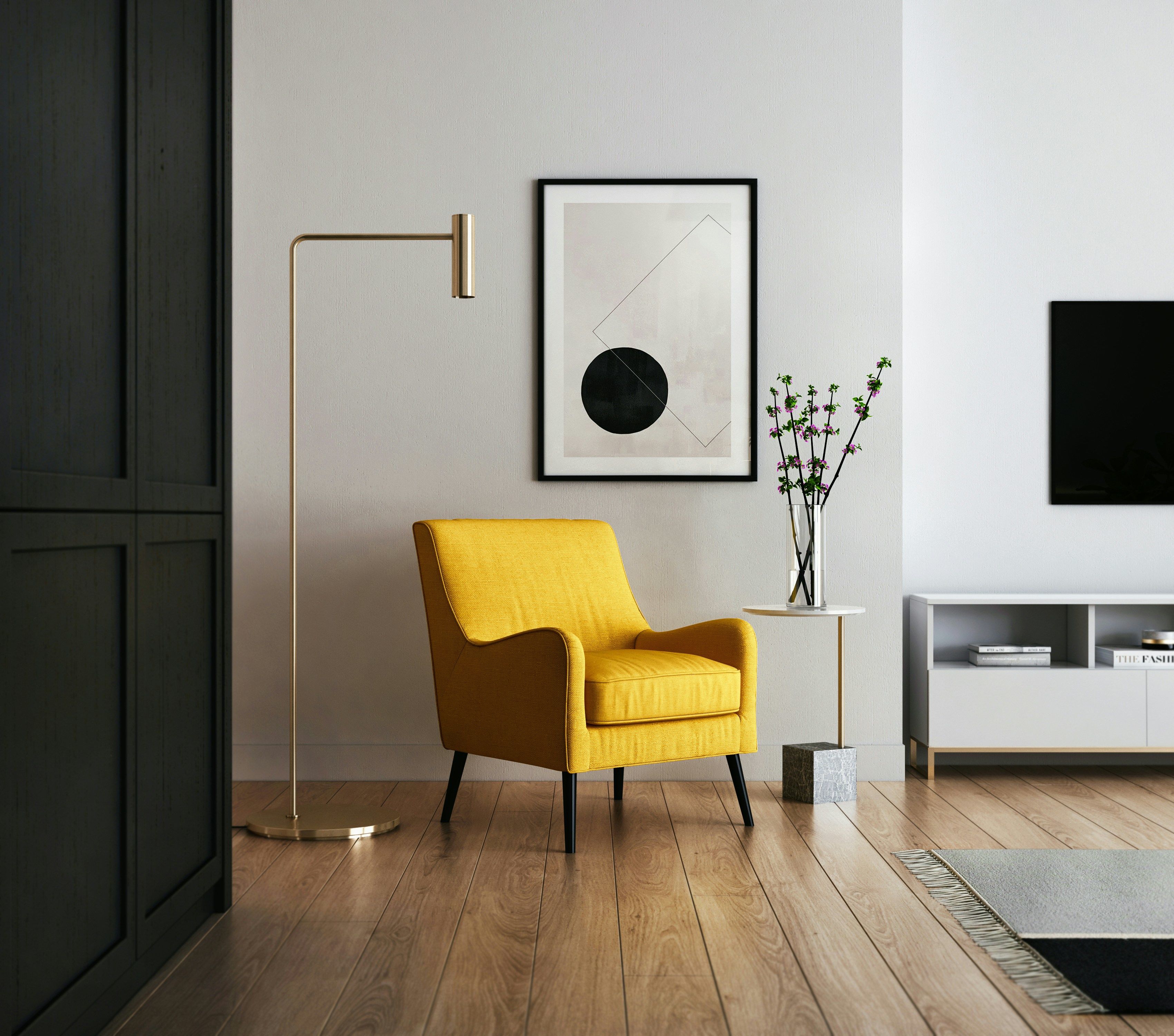
Buyers spend weeks comparing suburbs, floorplans and price guides. However, their response to a home can begin almost immediately. Before they have measured a bedroom or checked the appliances, they are already noticing whether the property feels bright, calm, spacious and cared for.
The “first 30 seconds” is not a stopwatch rule. It is a useful way to think about the speed at which buyers form an overall impression. In a competitive Melbourne sales campaign, that early feeling matters because it shapes how buyers interpret everything that follows.
Professional property styling is not about disguising a home or filling it with fashionable furniture. It is about removing visual friction, highlighting the property’s strengths and making its intended lifestyle easy to understand.
The first impression often begins before the front door
For a house, the buyer’s experience starts at the footpath. For an apartment, it may begin in the lobby, lift or shared corridor. Buyers notice the condition of the garden, the path to the entrance, exterior paintwork, the front door and even whether the house number is easy to find.
Melbourne weather makes this especially important. Leaves collect quickly in autumn, winter can make an entrance feel dark and damp, whilst a hot summer inspection can feel uncomfortable before buyers have properly looked around. A clean approach, healthy greenery, a working exterior light and a simple, welcoming entrance send a quiet message that the property has been looked after.
Light is read as space, warmth and care
Buyers rarely describe a home by its lux level, but they immediately feel the difference between a bright room and a gloomy one. Natural light can make a property feel more generous, while poorly placed furniture, heavy window coverings and inconsistent globes can make even a good room feel smaller.
The answer is not simply to switch on every light. A property stylist considers how daylight moves through the home, which blinds should be raised, where a mirror might reflect light and whether warm or cool bulbs are fighting each other. In many period homes across Essendon, Moonee Ponds, Strathmore, Brunswick and Coburg, preserving character while lifting darker central rooms is more effective than forcing an ultra-modern look.
Buyers notice whether the layout makes sense
An empty room does not always appear larger. Without furniture, buyers may struggle to judge scale or understand where a sofa, dining table or bed will fit. At the other extreme, too much furniture can narrow walkways and make a room feel compromised.
Good home staging answers practical questions without requiring the buyer to ask them. Where does the television go? Can six people dine here? Is the second bedroom genuinely functional? Furniture scale and placement provide visual evidence.
This is particularly valuable in compact Melbourne apartments and townhouses, where every square metre needs to communicate a purpose. The goal is not to squeeze a function into every corner. It is to show a believable way to live comfortably in the home.
The senses buyers may not mention
A room can look beautiful and still feel wrong. Stale air, pet odours, traffic noise or an uncomfortable temperature can dominate an inspection. Buyers may not identify the exact issue when giving feedback, they may simply say the property did not feel right.
The best approach is freshness rather than perfume. Address the source of odours, ventilate appropriately, keep soft furnishings clean and use fragrance sparingly. If outside noise is unavoidable, avoid drawing attention to it with loud music. Calm, comfortable presentation feels more authentic than an atmosphere that appears manufactured.
Small signs become evidence in a buyer’s mind
A loose handle, blown globe or marked wall may be inexpensive to fix, but buyers can interpret small defects as clues about broader maintenance. Conversely, clean grout, repaired paintwork, neatly presented storage and crisp linen reinforce the perception that the property has been respected.
This does not mean renovating every dated surface. Before spending, vendors should ask their real estate agent and property stylist which improvements will materially affect presentation for the likely buyer. In some homes, fresh paint and improved lighting are worthwhile. In others, deep cleaning, decluttering and better furniture placement will do more.
Styling should match the home and its Melbourne buyer
The same furniture package should not be applied to every property. A family buying in Pascoe Vale or Keilor East may be looking for functional living zones, storage and indoor-outdoor connection. A professional couple inspecting an apartment in Flemington may respond more strongly to an efficient study area and an entertaining-focused living room. A buyer drawn to a Victorian home in Moonee Ponds may value character, proportion and warmth.
Property styling for sale works best when it reflects the architecture, price point, suburb and campaign strategy. Broad appeal does not mean bland. It means creating a clear, attractive identity without making the home feel so personal that buyers cannot imagine themselves there.
The takeaway
The strongest first impression is not created by one expensive statement piece. It is the result of many deliberate choices working together including a welcoming arrival, comfortable temperature, balanced light, sensible furniture scale, clear walkways and a presentation that suits the likely buyer.
At Ultimate Property Styling, we style homes across Melbourne with the buyer, the property and the sales campaign in mind. If you are preparing a house for sale and want an objective view of what buyers will notice first, we can help you prioritise the changes that matter.